Showing posts with label London. Show all posts

Tuesday, 21 August 2012

(19 Aug 2012) SE London and Chatham

19 August 2012

Juts a single day trip this time, visiting Eltham Palace and the Horniman Museum in SE London before heading off to Chatham Historic Dockyard.

Eltham Palace
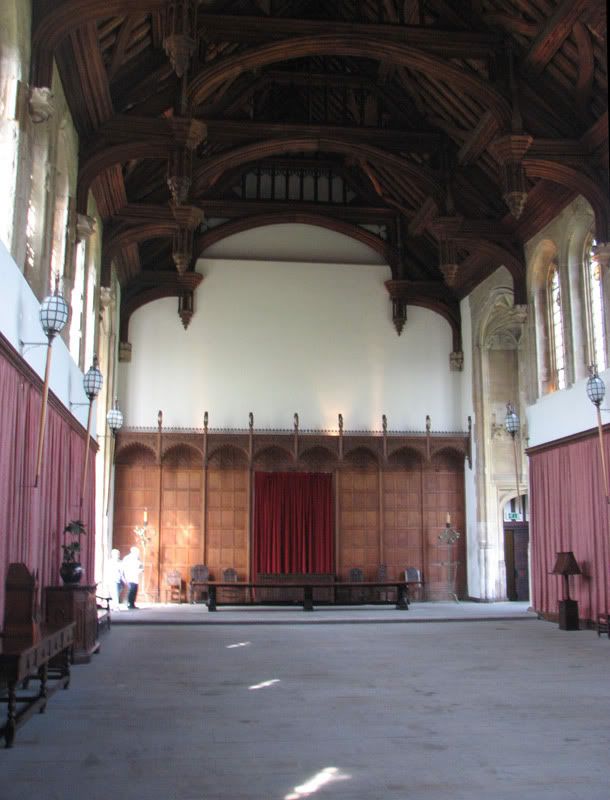
Eltham PalaceOriginally a royal residence for the Tudors until the 16th century, Eltham Palace is best known today for the 1930s Art Deco wing from the time it was owned by the Courthauld family. Especially the foyer is one of the most splendid examples of Art Deco I have ever seen. It is actually quite impressive that the palace is half medieval half Art Deco and yet neither looks out of place. The Courtaulds would often entertain their guests in the Great Hall, which was constructed in the 1470s in the reign of Edward IV.
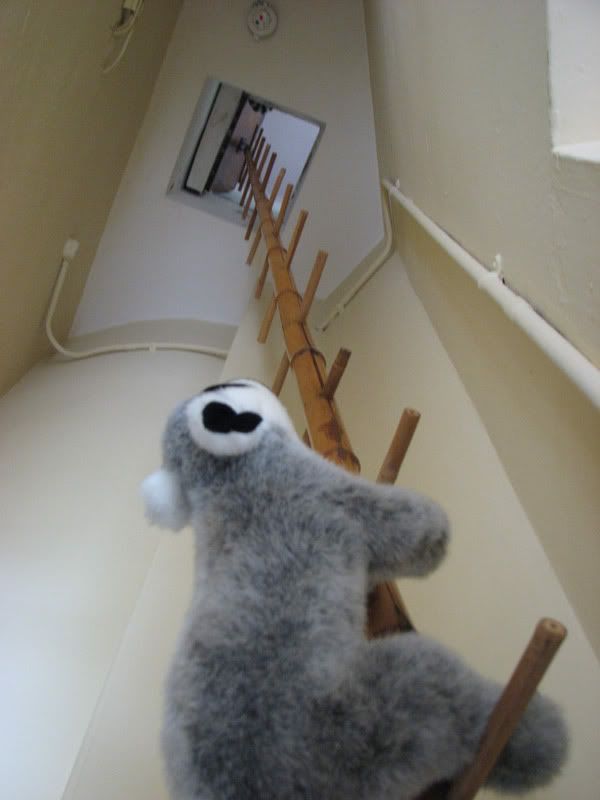
They also had a pet lemur, Jongy, accompanying them for 15 years on their travels. After getting bored biting the guests, Jongy would climb up the little bamboo ladder that linked the foyer to his cage.

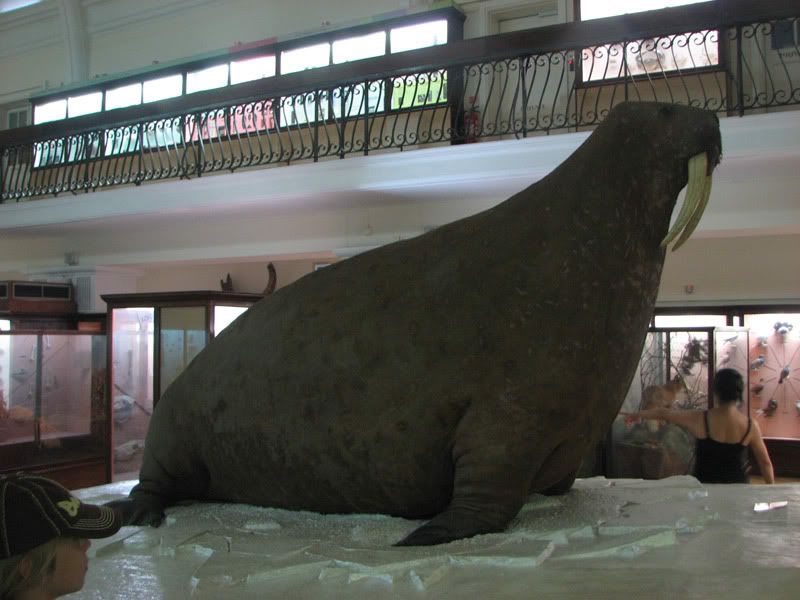
Horniman museum
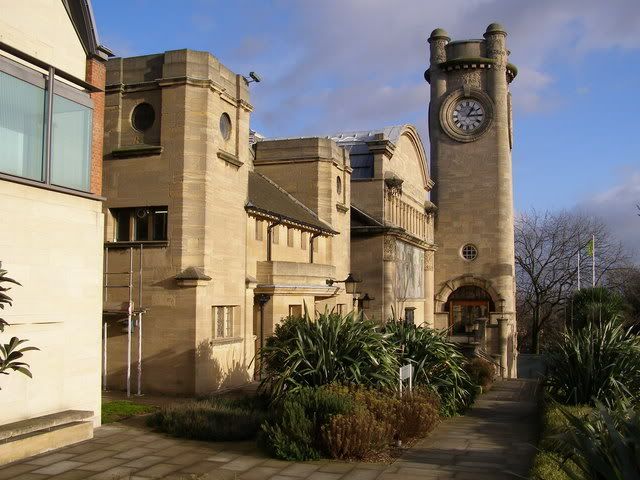
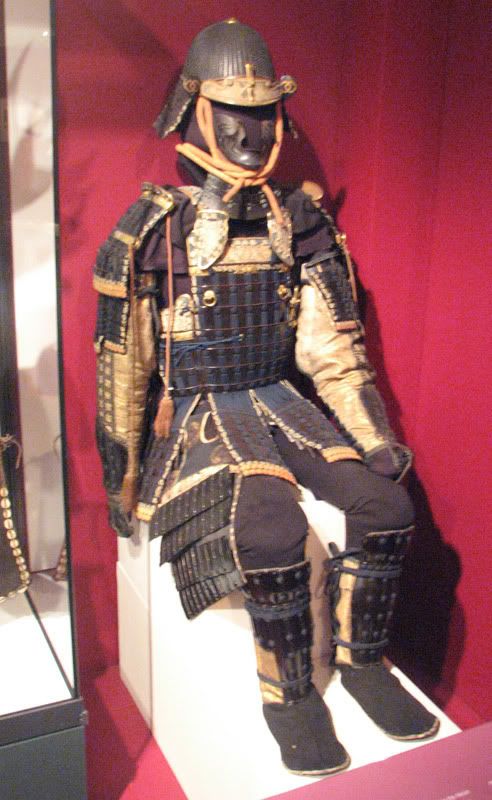
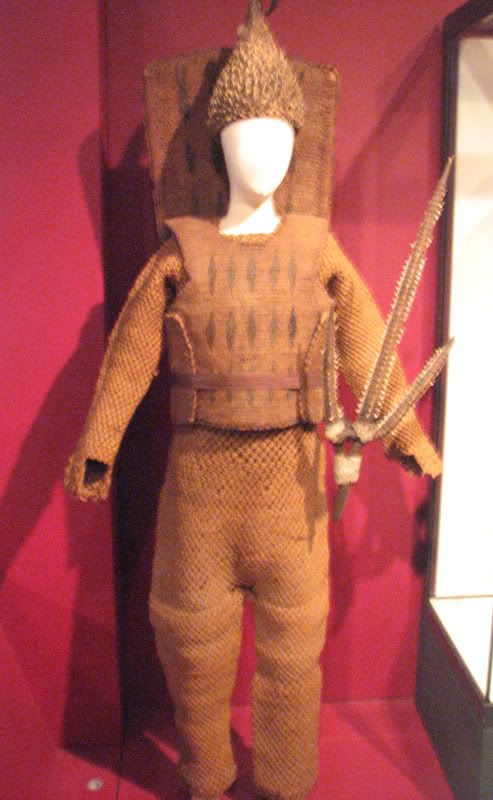
Horniman Museum An unusual museum in Forest Hill, South London, with exhibits ranging from anthropology and natural history to musical instruments. The museum was founded by Frederick John Horniman, who having inherited his father's immensely successful tea trading business, was able to travel extensively and collect 30,000 items from around the world. Not the most impressive of museums, but I feel it would be worth revisiting at some other point with more time on our hands.
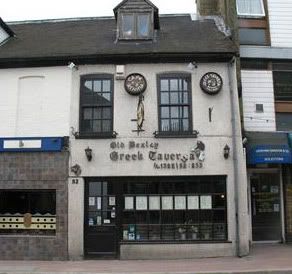
All that's great, but sometimes lunch is more important and we couldn't have gone to a better place for it. First time I find a proper and authentic Greek taverna outside Greece. Old Bexley Greek Taverna. Highly recommended, especially for its mean kleftiko lamb dish. Two minutes walk from Bexley rail station.


HMS OcelotChatham Historic Dockyard
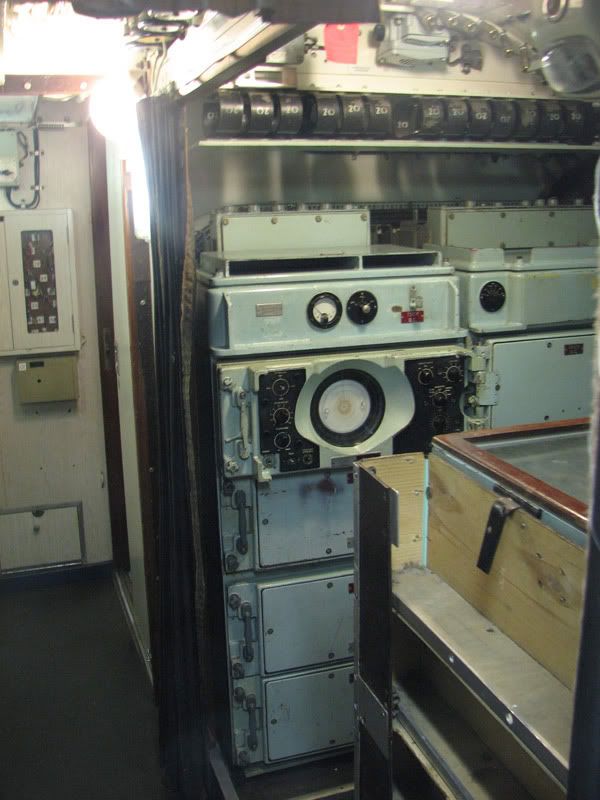
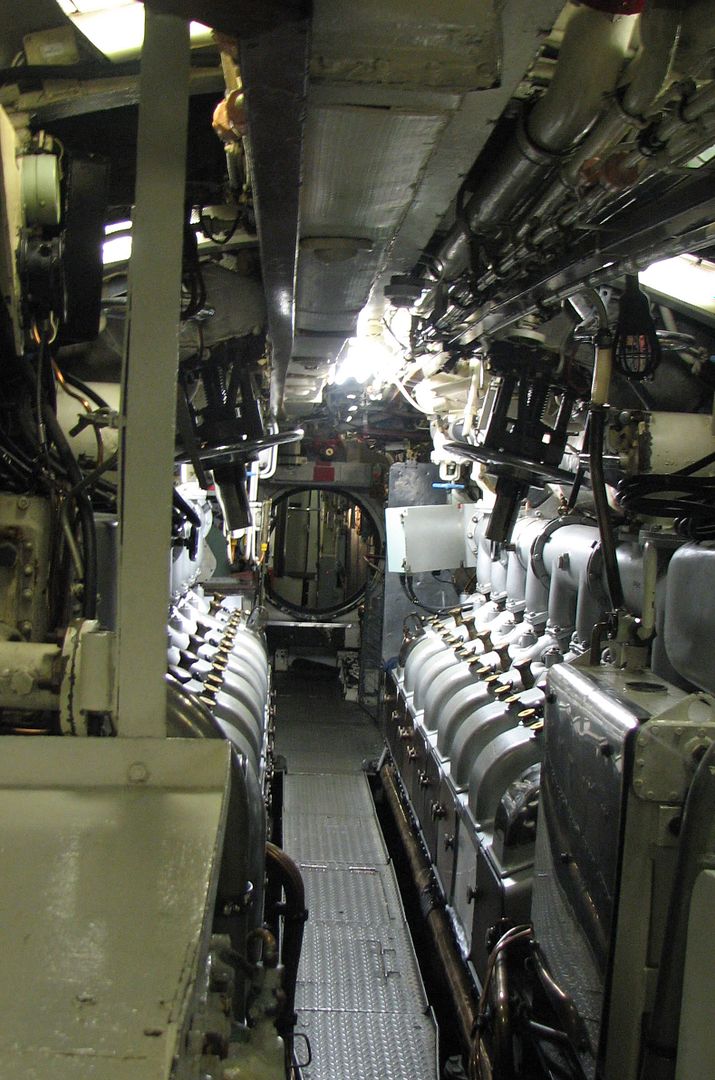
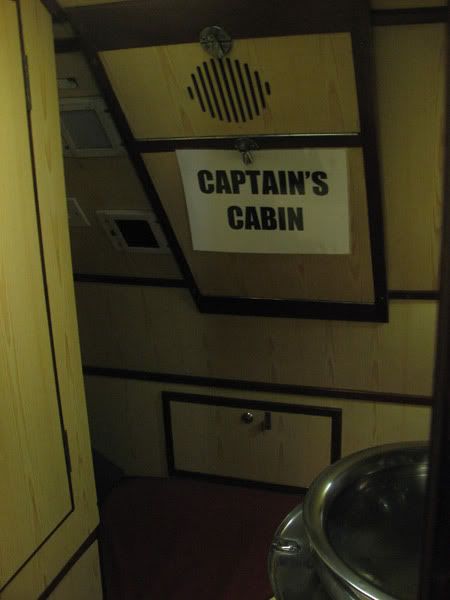
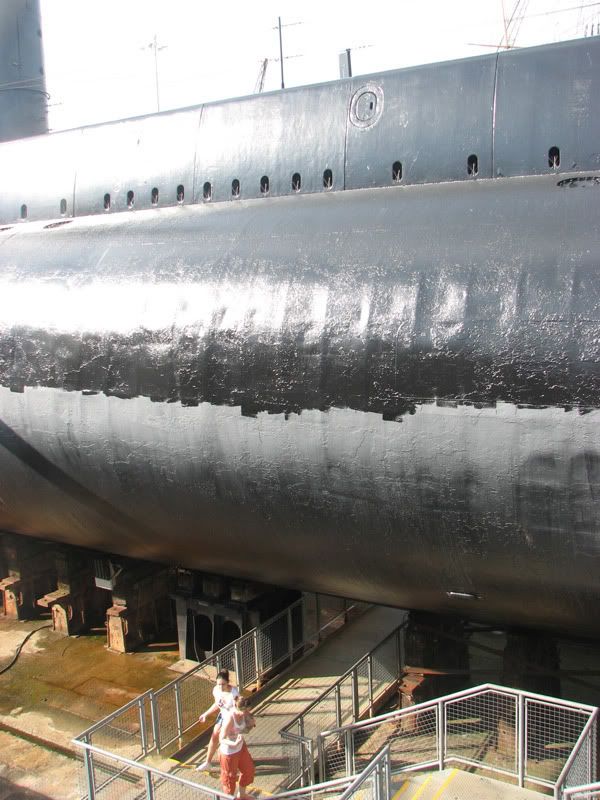
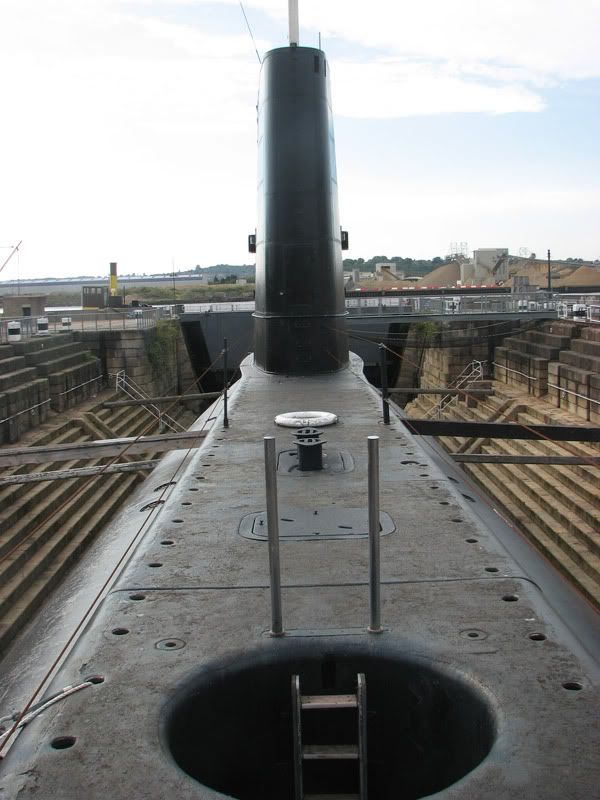
Again at the Historic Dockyard, but this time we decided to focus on the Diesel-Electric HMS Ocelot Submarine, the last Royal Navy ship to be produced in Chatham, ending a tradition of Navy shipbuilding dating back to the 16th century and the Spanish Armada.
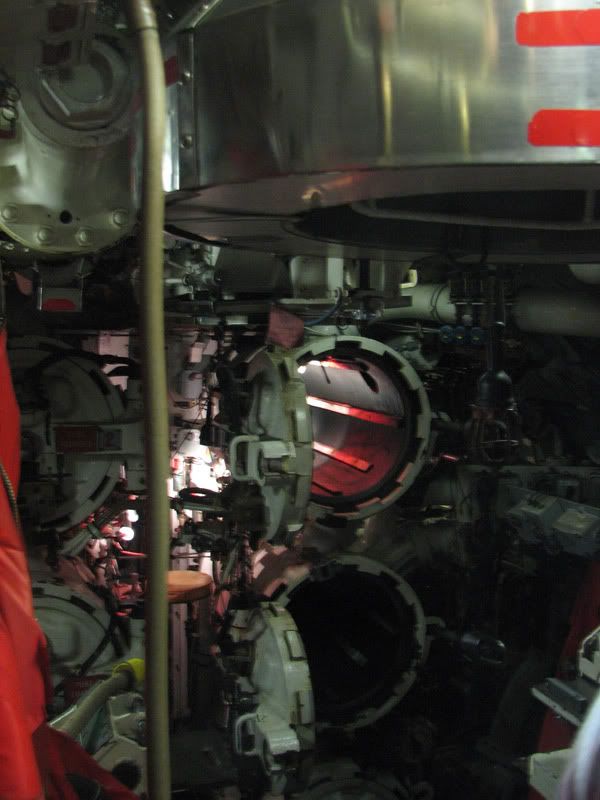
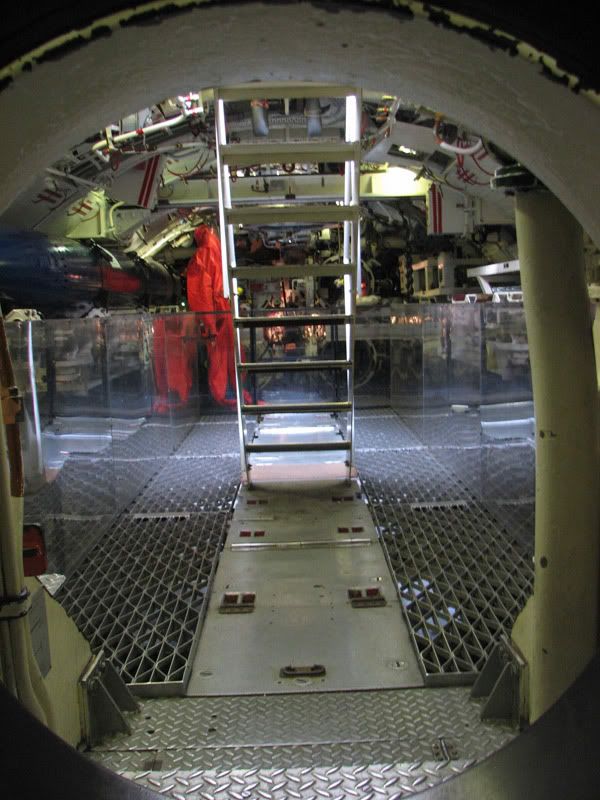
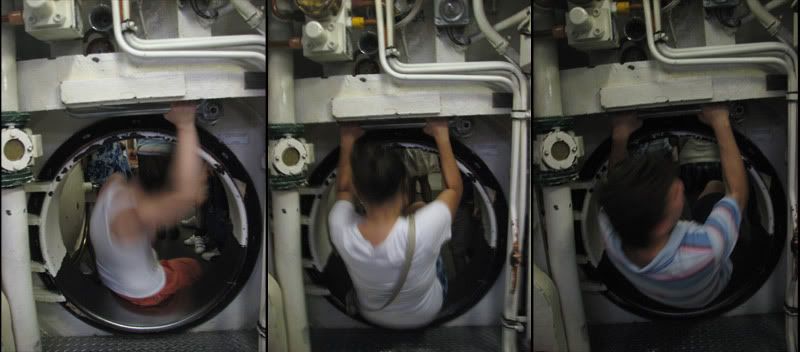
Visitors swing through the doorway hatches by holding on to the bar above the door.
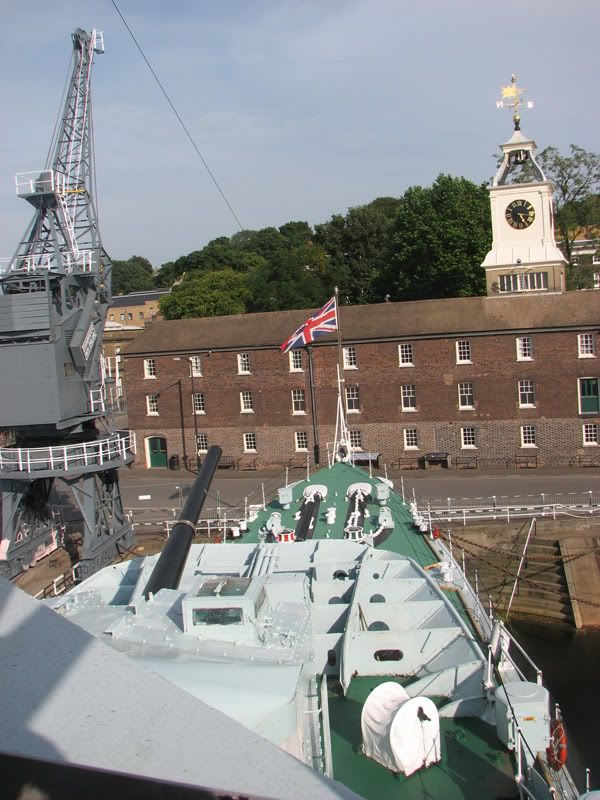
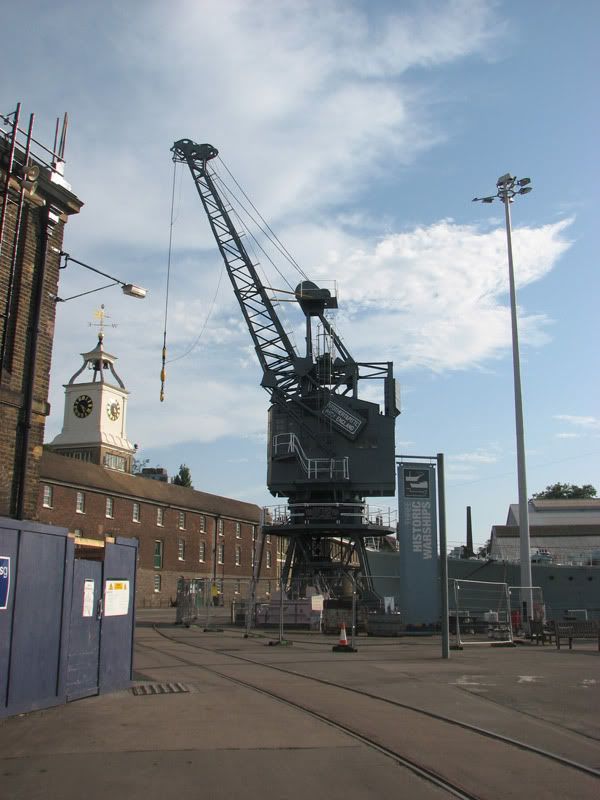
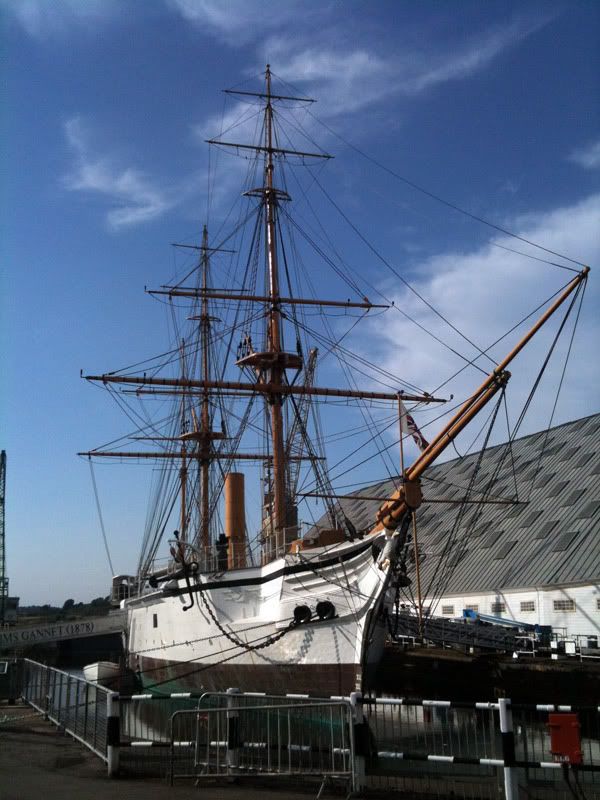
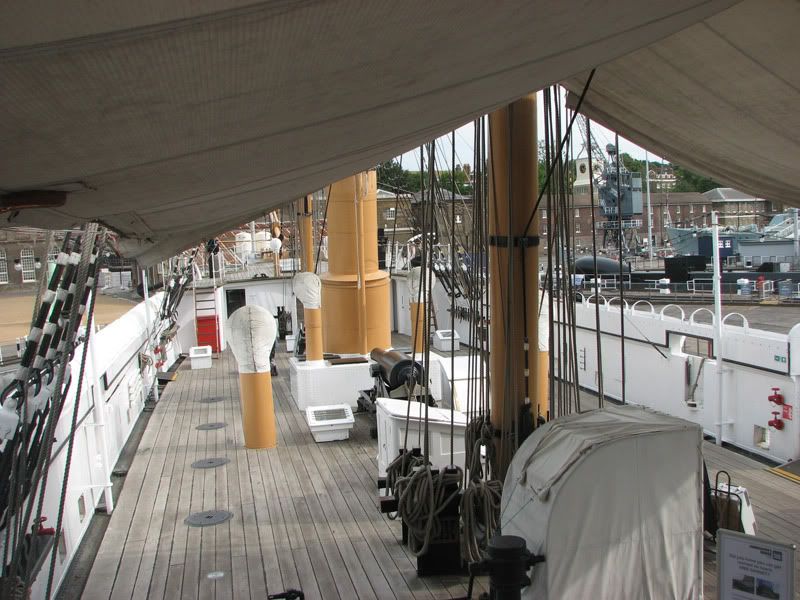
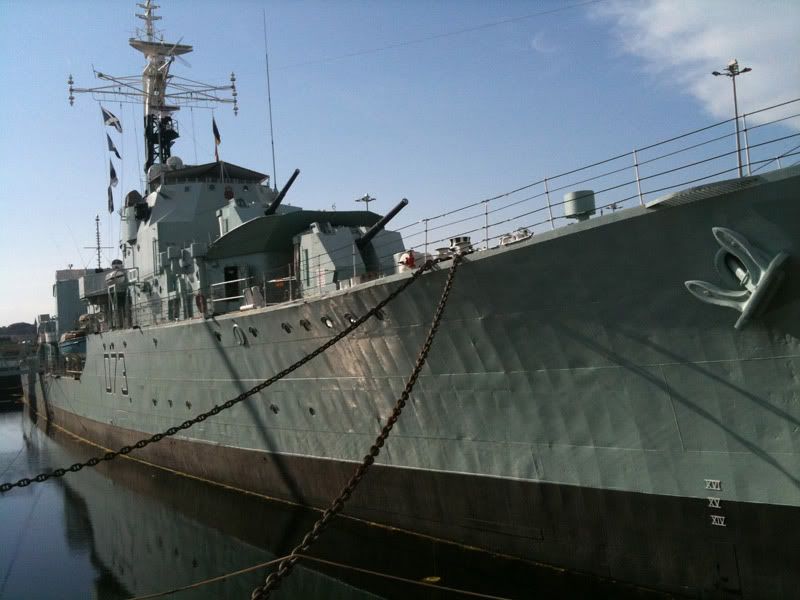
More photos from the rest of the Dockyard, including a steamboat, the World War 2 destroyer HMS Cavalier, a crane, a mini sub, the 19th century HMS Gannet and RNLI rescue boats.

Thursday, 18 August 2011

(14 Aug 2011) Bromley

Bromley, 14 August 2011

A brief trip to the London Borough of Bromley for two of its attractions.

Chislehurst Caves
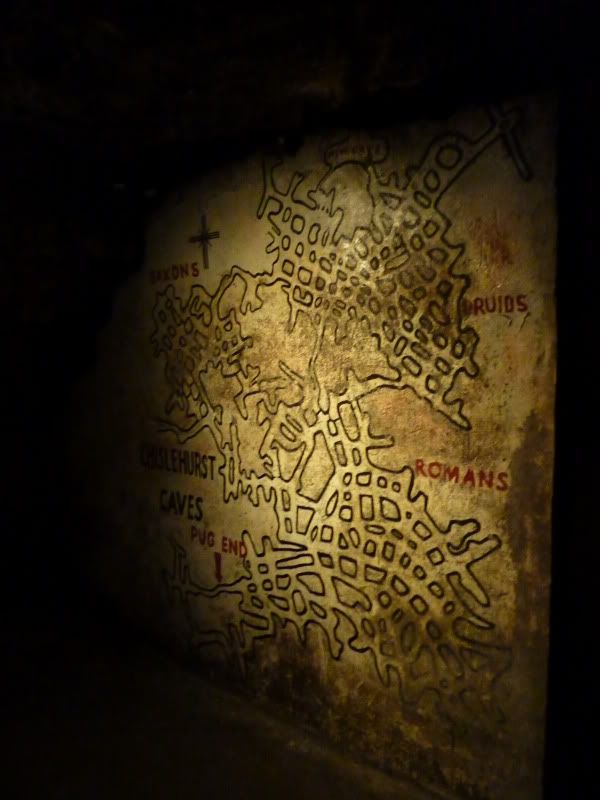
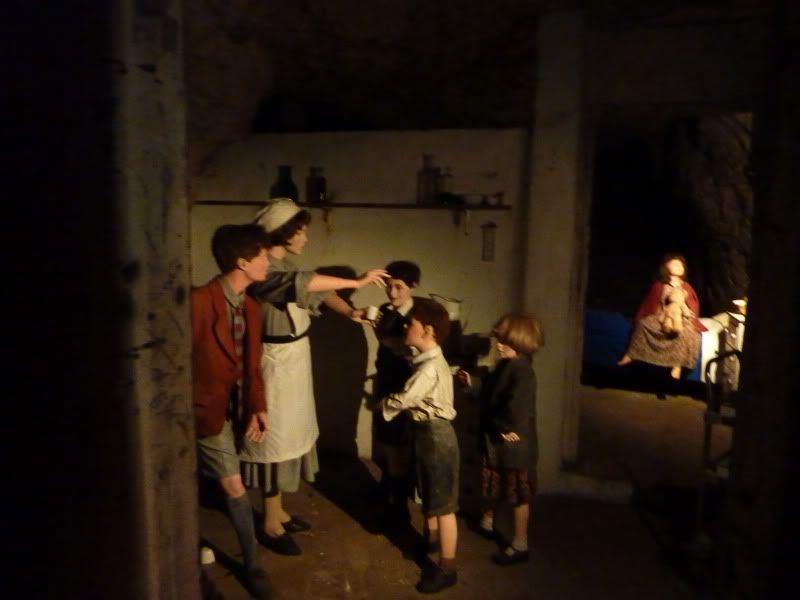
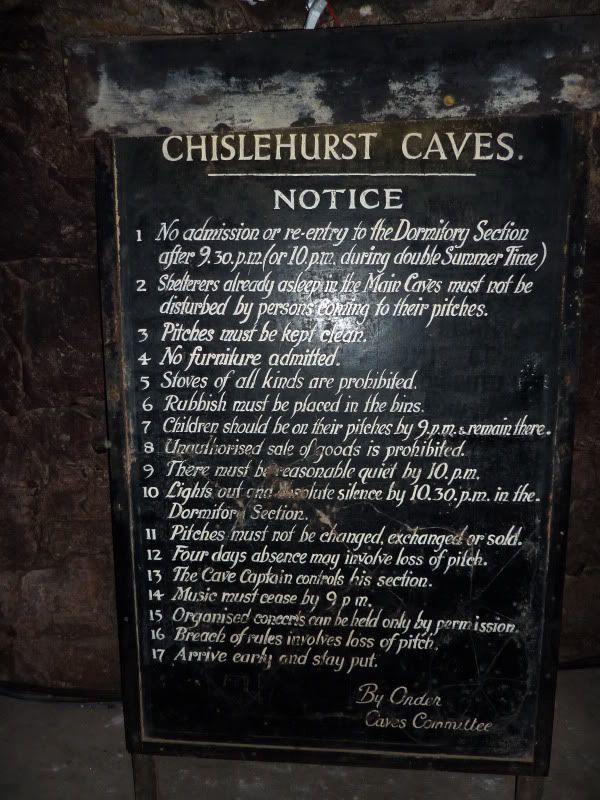
22 miles of darkness, the caves have been used historically by Druids, Saxons, Romans and more recently as an ammuniton depot in WWI, shelter for the civilian population during World War II and as a stage for the Rolling Stones and Led Zeppelin. There is a haunted pool, a Druid altar, etc. The tour is lamp-lit and lasts 45 minutes. Well worth the £5.

Chislehurst Caves Chislehurst Caves Chislehurst Caves Chislehurst Caves

Chislehurst CavesBefore we entered the caves, we noticed a couple of very bizarre characters with robes and fake glowing eyes. We later found out that these weren't actors employed to scare us during the tour, but members of the Labyrinthe Club, which uses a separate part of the caves for live role playing games. They must be pretty atmospheric.

Downe Village
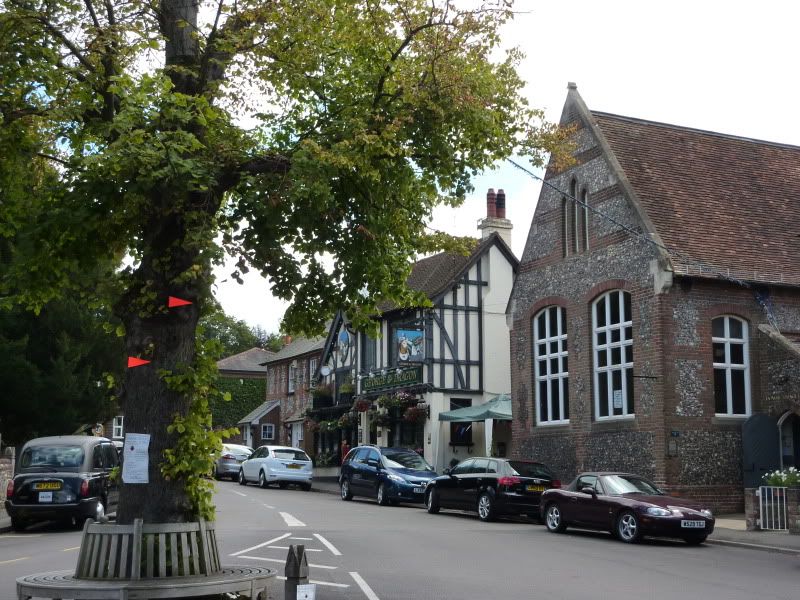
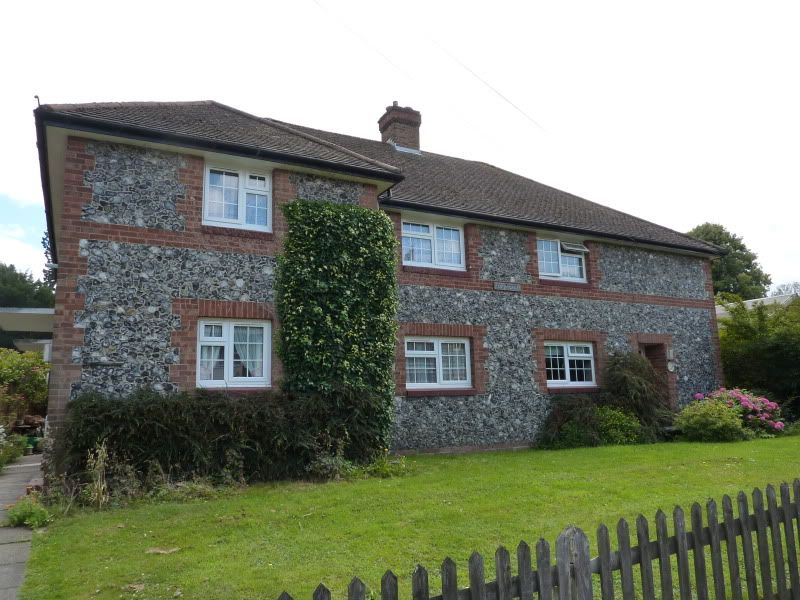
That's the lovely village in Bromley, where Down House is. I didn't find out why, but it was packed with parked cars everywhere.

Downe Downe Downe Downe

Down House
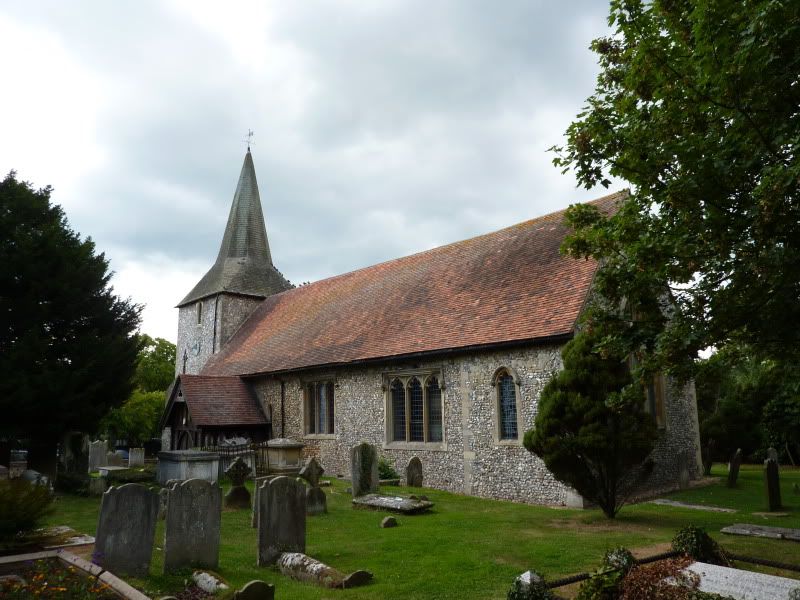
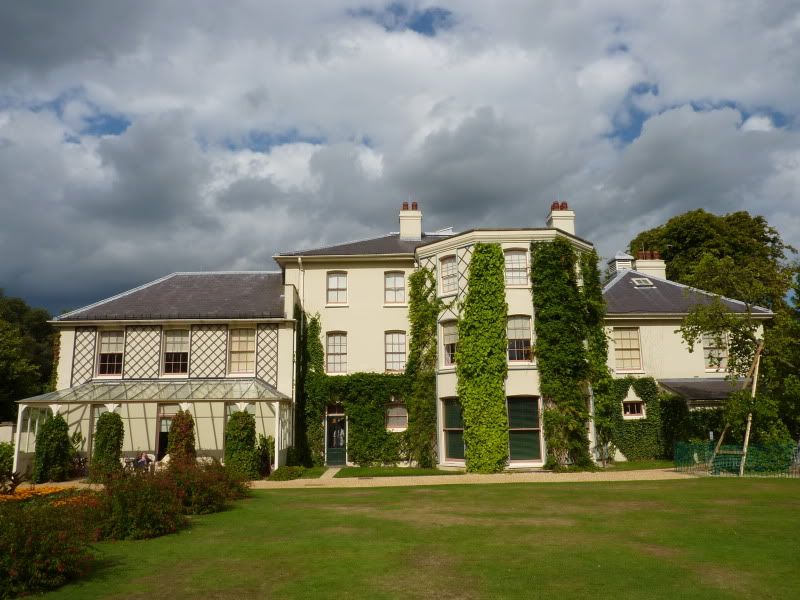
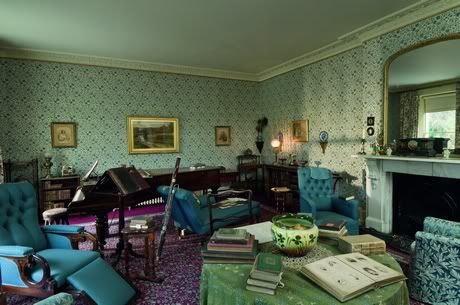
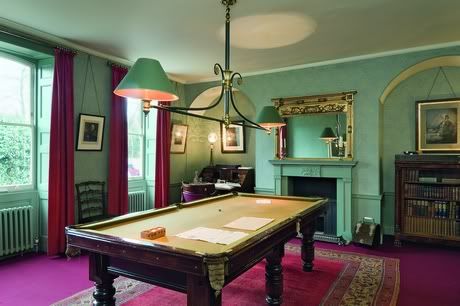
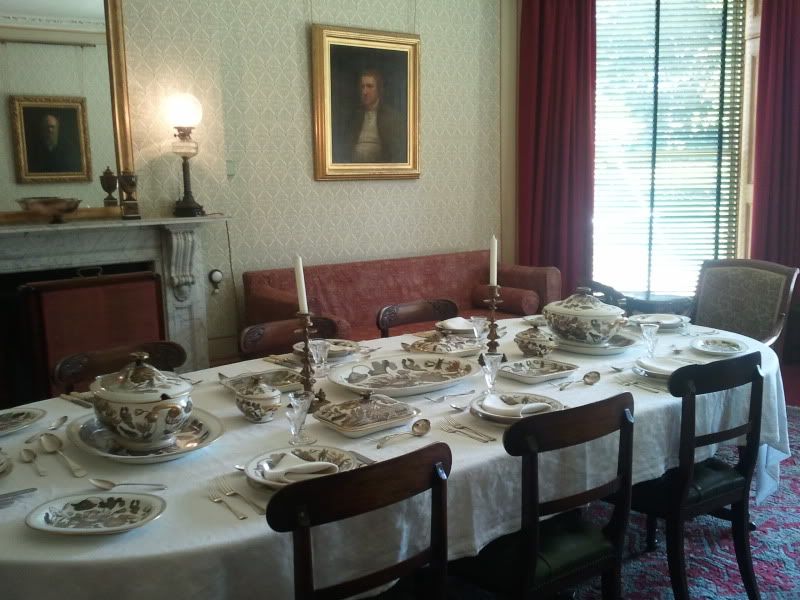
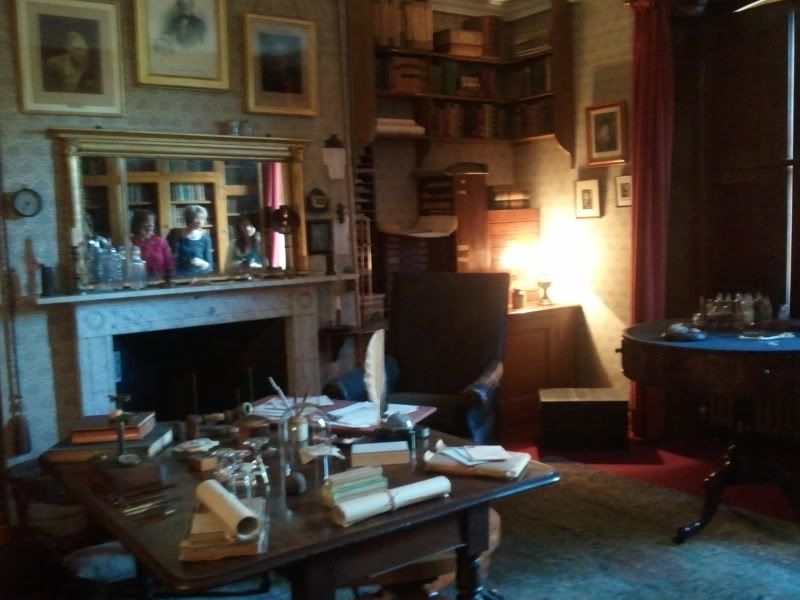
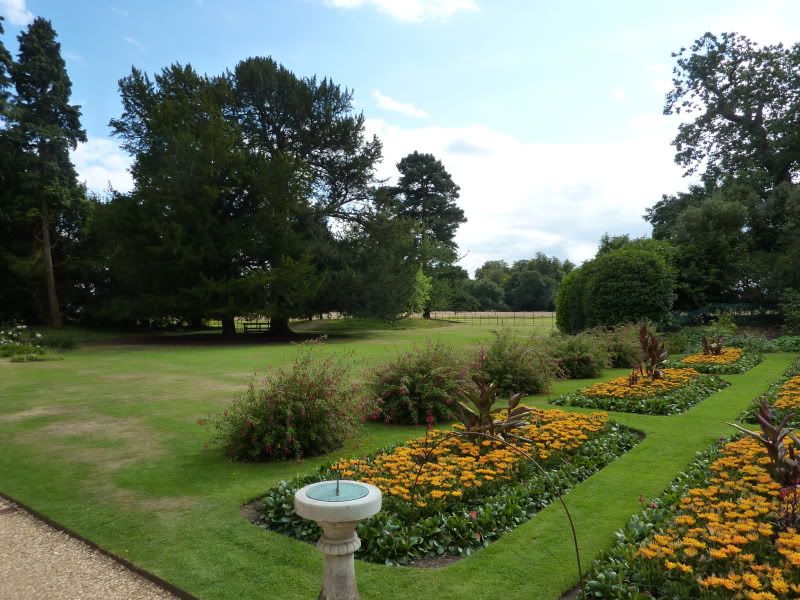
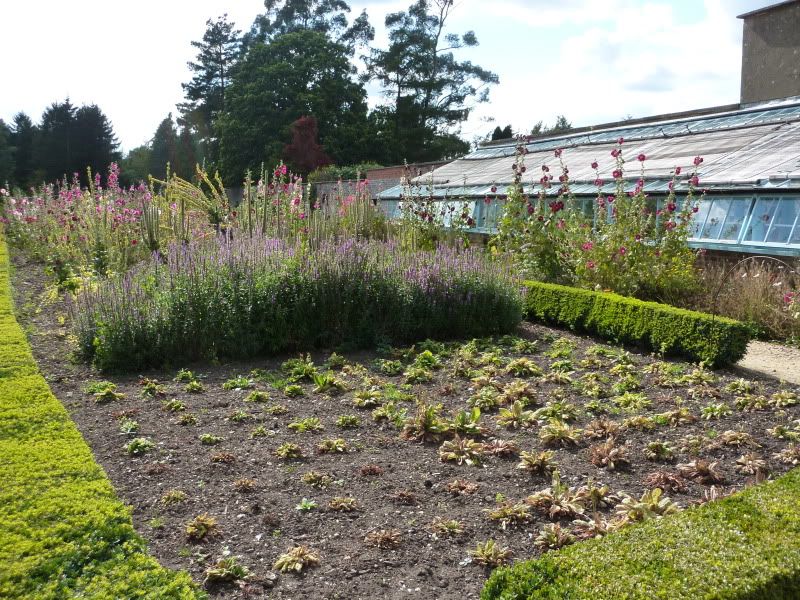
Down HouseThat's Darwin's house, where he spent the last 40 years of his life. We saw the study where he wrote 'On the Origin of Species' and walked a bit around the gardens, where he conducted a number of his experiments. The house is maintained superbly and offers a good inside view of his life and way of thinking. There is also a replica of the cramped cabin, which he shared with two others during his HMS Beagle voyage.
Down House drawing room Down House billiard room Down House Down House Down House Gardens Down House Gardens Down House

Tuesday, 10 May 2011

(8 May 2011) Hampstead Heath

The map for the Hampstead Heath walk
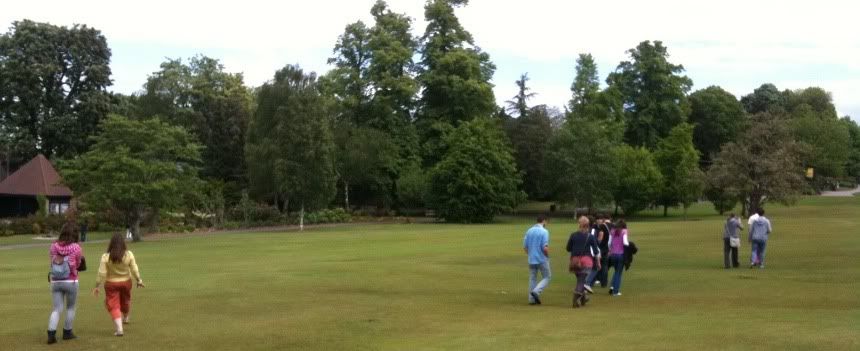
Preparing for this walk felt a lot like scraping a barrel. Although a pretty area, Hampstead Heath has no historical significance at all. Contrary to the legend, Queen Boudicca was not buried there, William the Conqueror had as much to do with it as with any other heath in England, and so on. With this in mind I tried to keep pointless trivia to a minimum, but this inevitably made it a boring walk. At least it was an opportunity to walk in the Heath and chat with friends.
Golders Hill Park

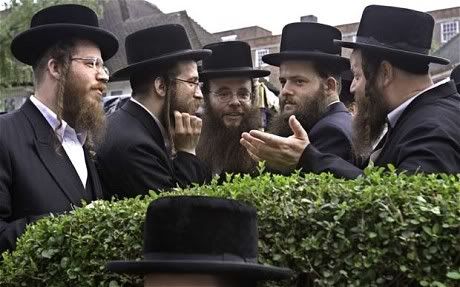
After breakfast in Golders Hill, we go for a walk in the park. Golders Hill is a Jews in Golders Hillrelatively new part of London that grew after the tube station was built. Upon entering the park, we come across a large group of orthodox Jewish kids playing football. Unusual sight elsewhere, but Golders Hill is at the centre of Jewish activity in the UK since the 1930s and Hitler's rise in Germany. There are many synagogues, a museum of Jewish history and the residences of prominent British Jews.
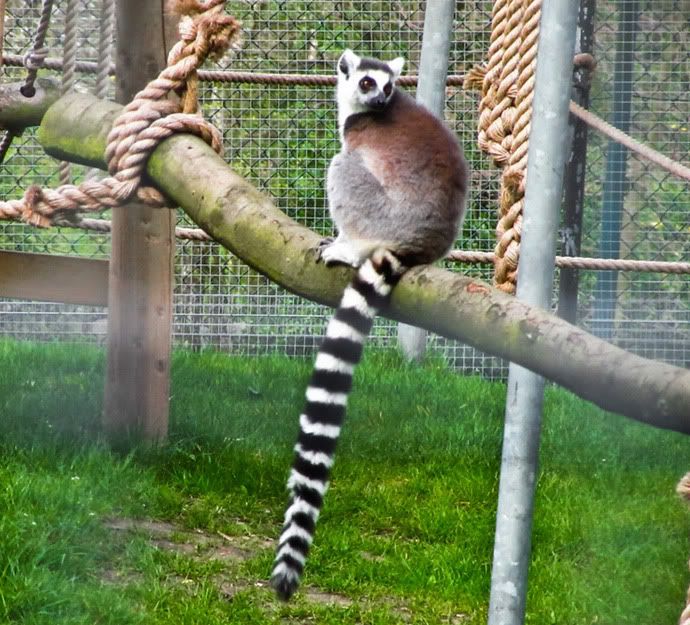
Golders Hill Park, a lemur
Golders Hill Park features a tiny zoo with rather outlandish animals. Alpacas, Maras, Red-legged Seriemas, Ring-tailed Lemurs, White-naped Cranes etc.

Hampstead Heath

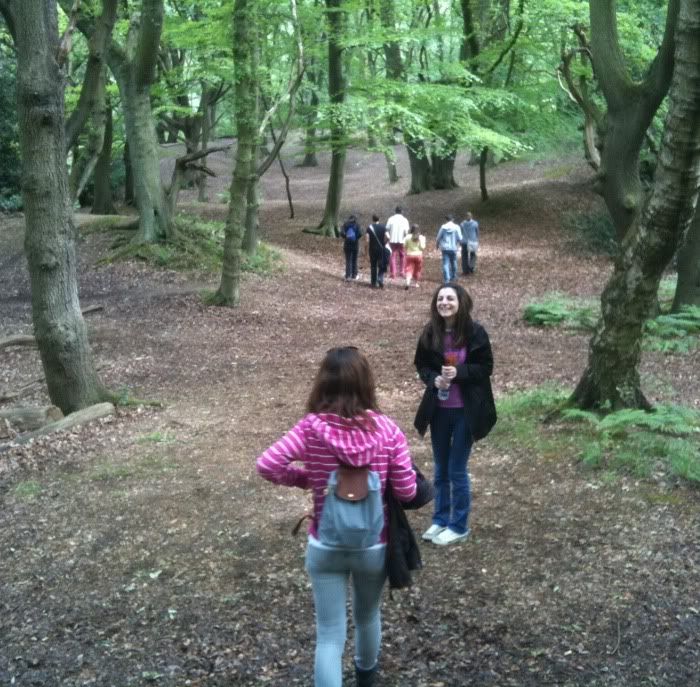
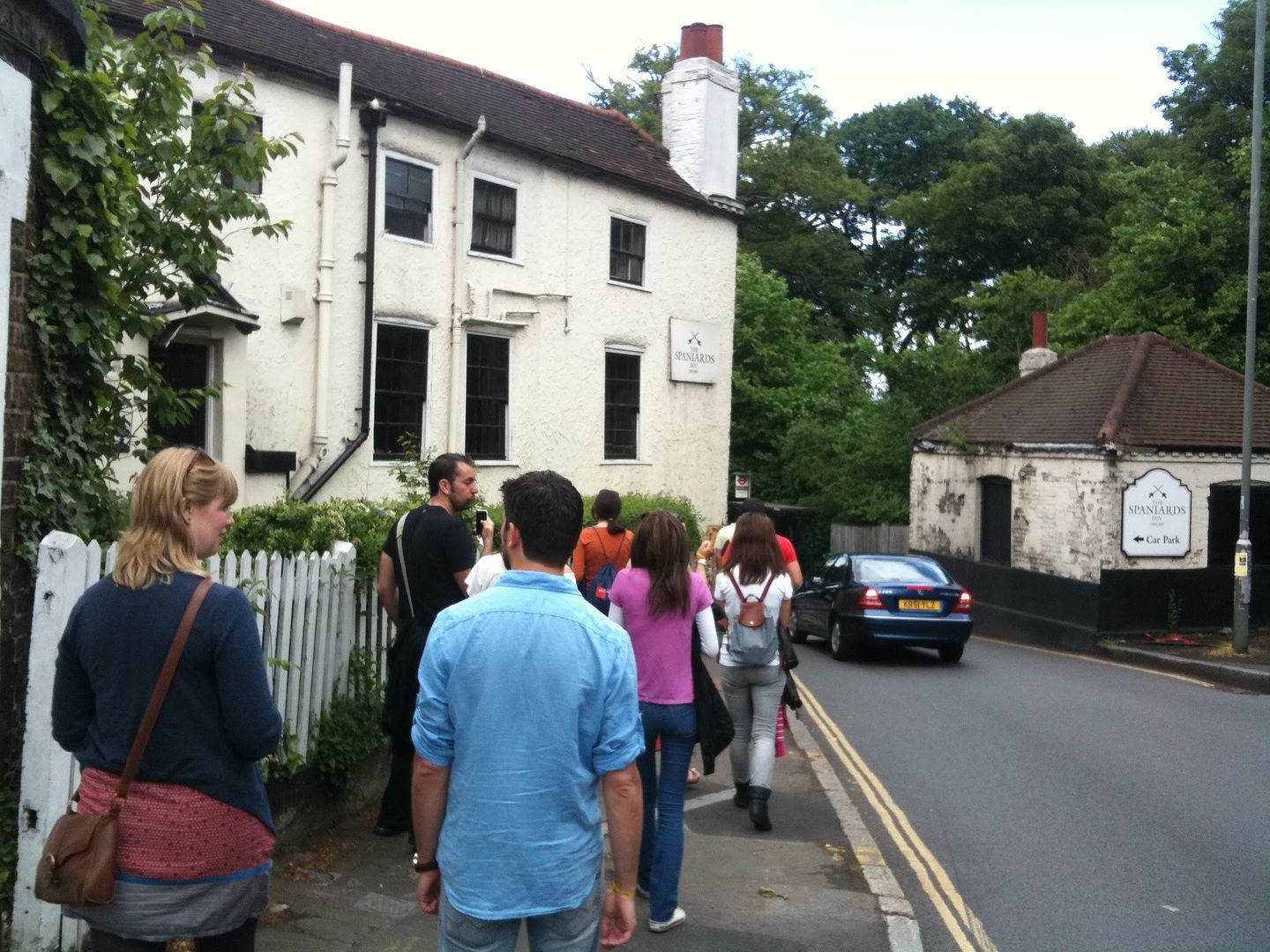
Spaniards InnWe walk through the forest towards the Spaniards Inn, but it's too early for lunch. So, time for some trivia instead:
Byron, Dickens and Shelly are said to have been regulars of the pub. However, I've heard this about so many pubs that either someone is lying or most 19th century literary figures spent their whole lives in pubs.

In 1780, a group of rioters wanting to burn down nearby Kenwood House stopped for a drink at the Spaniards Inn. When the landlord of the pub realised it, he kept the drink flowing until they got wasted and the law came to collect them.

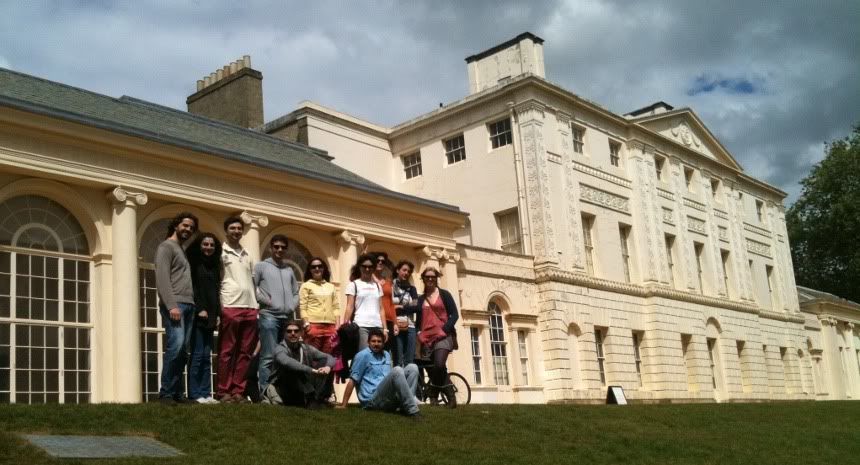
Kenwood House is next on our way. It's the stately home that dominates the northern part of the Heath since the 17th century. Kenwood HouseIn 1927, it was offered to the nation by its last owner, the Lord Iveagh of the Guinness family (of the beer fame). The name "Kenwood" is believed to indicate that the original land owner was some Norman noble from Caen (some go so far as to claim that it was William the Conqueror).

More trivia:

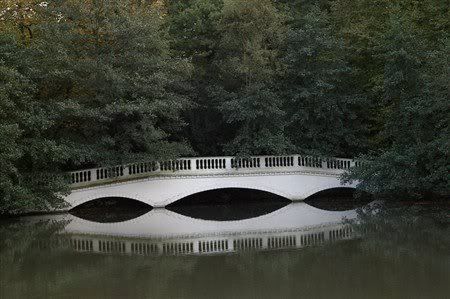
- The bridge is fake. Seriously!
Kenwood House

- In the film "Notting Hill", that's where Julia Roberts is filming her period drama and Hugh Grant turns up.

Some more photos:

Kenwood House Kenwood House, Library

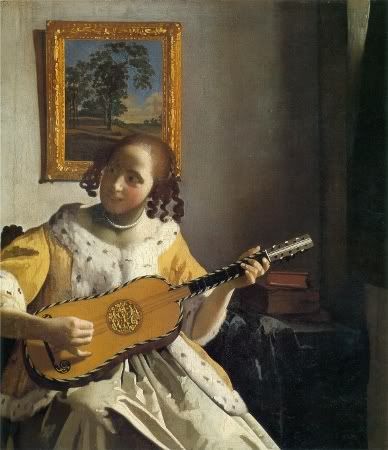
The house is relatively empty by the standards of a museum, but still quite interesting thanks to Lord Iveagh's art collection. My favourite from there:

Vermeer's 'A Woman Playing the Guitar'In "A Woman Playing the Guitar" Vermeer looks much freer than in his better-known masterpieces. The arm is cut by the edge, the focus is closer to the wall than the girl, and the girl plays a guitar! Were modest girls even allowed to play the guitar in 1670?

self-portrait by RembrandtRembrandt isn't one of my favourite artists, but still seeing one of his self-portraits on the walls of a relatively forgotten estate is quite something. He is already old and looks more distant than ever.

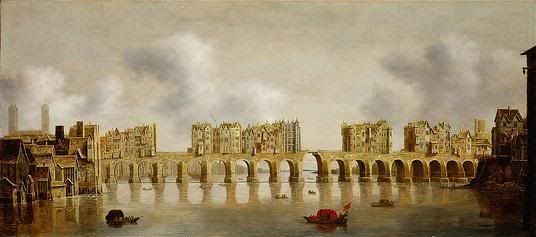
There was also some interest in de Jongh's "Old London Bridge from the west" showing it as it was in the 17th century. There were houses and shops on the bridge, the rents of which were paying its costs. The resulting traffic was unbearable and the richer would prefer to use the gondola-like boats to cross the Thames comfortably.
de Jongh's 'Old London Bridge from the west'

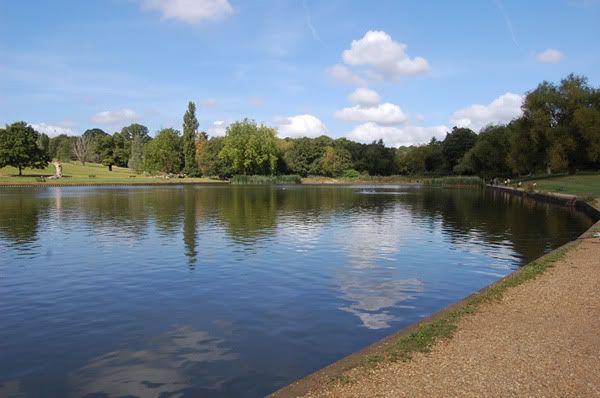
de Jongh's 'Old London Bridge from the west'Past the ponds and towards Kentish Town for lunch. On the Highgate (east) side of Hampstead Heath there are eight ponds dug in the 17th and 18th century; one for men's bathing, one for women's bathing, one for fishing, one for model boats, etc.

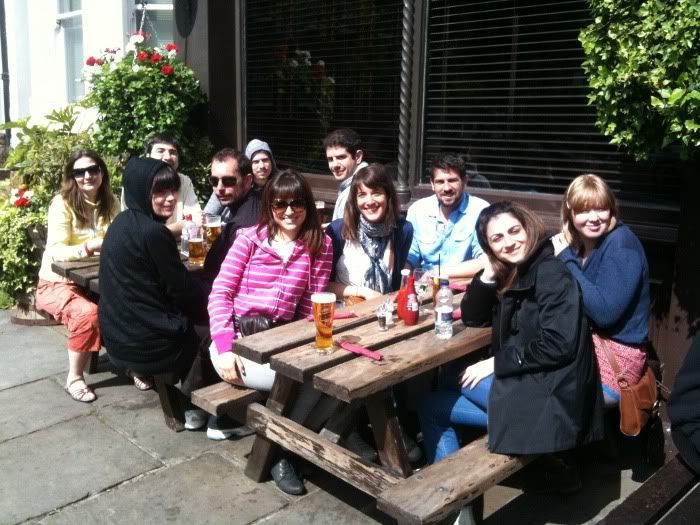
The Bull and Last pubLunch at "The Bull and Last", just outside the SE side of the Heath. Enough space for 12 people and decent food.